Automated Journal Entries – How to Eliminate Manual Data Entry Errors
In a traditional accounting setup, every business transaction requires a human to translate an event (like a sale or a purchase) into a debit and a credit.


In a traditional accounting setup, every business transaction requires a human to translate an event (like a sale or a purchase) into a debit and a credit.
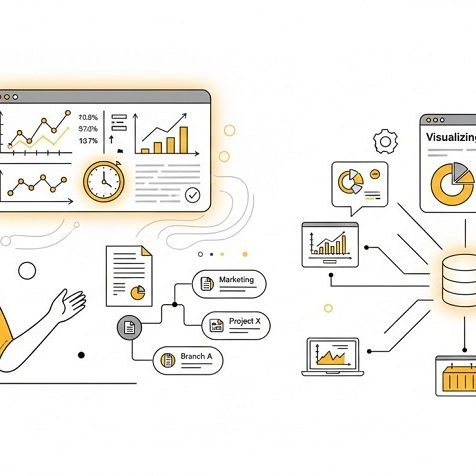
For a growing company, making decisions based on old data is like driving a car while only looking in the rearview mirror.
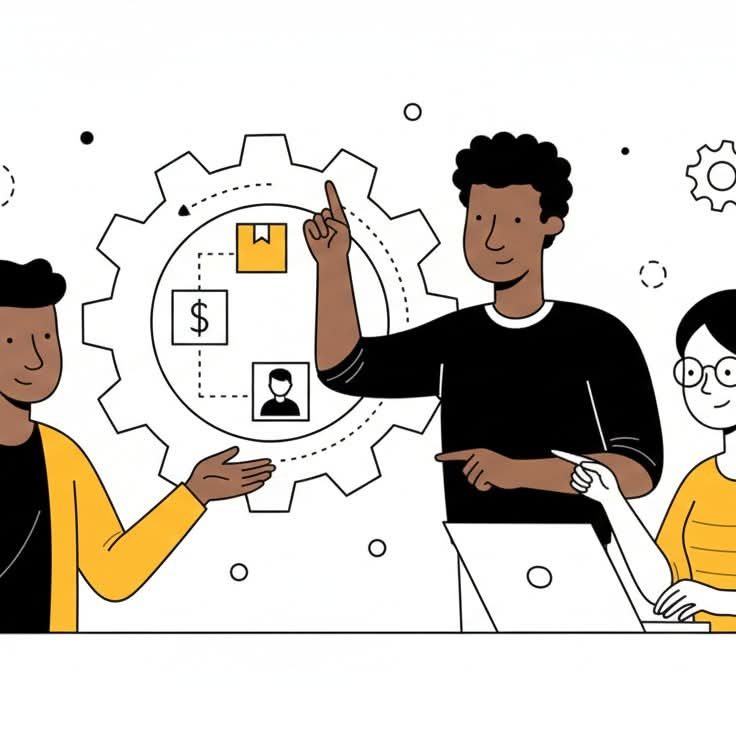
For a scaling enterprise, accounting is no longer just about “keeping the books.” It is about data integrity, regulatory compliance, and operational speed.
In a traditional accounting setup, every business transaction requires a human to translate an event (like a sale or a purchase) into a debit and a credit.
For a growing company, making decisions based on old data is like driving a car while only looking in the rearview mirror.
For a scaling enterprise, accounting is no longer just about “keeping the books.” It is about data integrity, regulatory compliance, and operational speed.
In a traditional accounting setup, every business transaction requires a human to translate an event (like a sale or a purchase) into a debit and a credit.
For a growing company, making decisions based on old data is like driving a car while only looking in the rearview mirror.
For a scaling enterprise, accounting is no longer just about “keeping the books.” It is about data integrity, regulatory compliance, and operational speed.
In a traditional accounting setup, every business transaction requires a human to translate an event (like a sale or a purchase) into a debit and a credit.
For a growing company, making decisions based on old data is like driving a car while only looking in the rearview mirror.
For a scaling enterprise, accounting is no longer just about “keeping the books.” It is about data integrity, regulatory compliance, and operational speed.
In a traditional accounting setup, every business transaction requires a human to translate an event (like a sale or a purchase) into a debit and a credit.
For a growing company, making decisions based on old data is like driving a car while only looking in the rearview mirror.
For a scaling enterprise, accounting is no longer just about “keeping the books.” It is about data integrity, regulatory compliance, and operational speed.